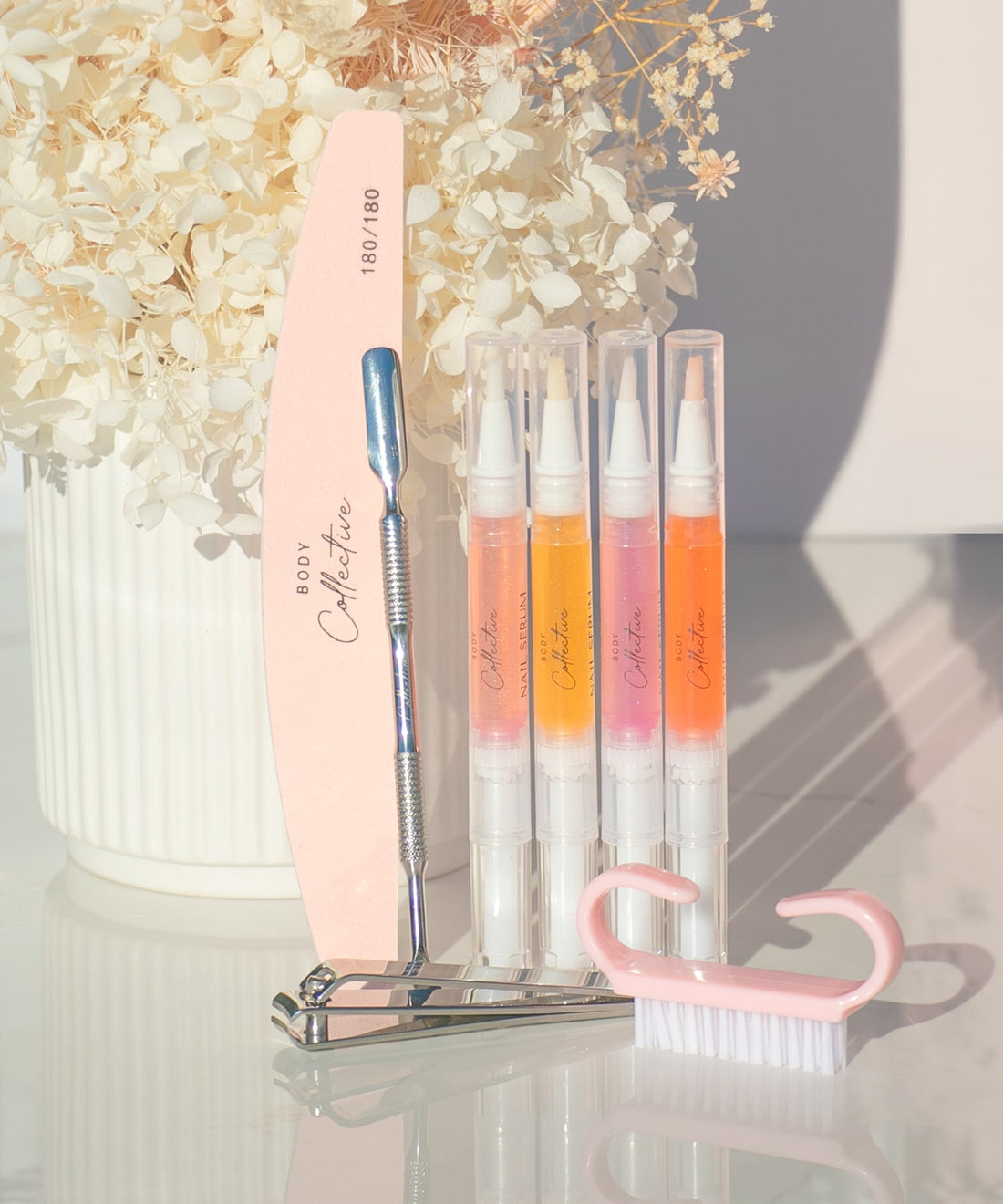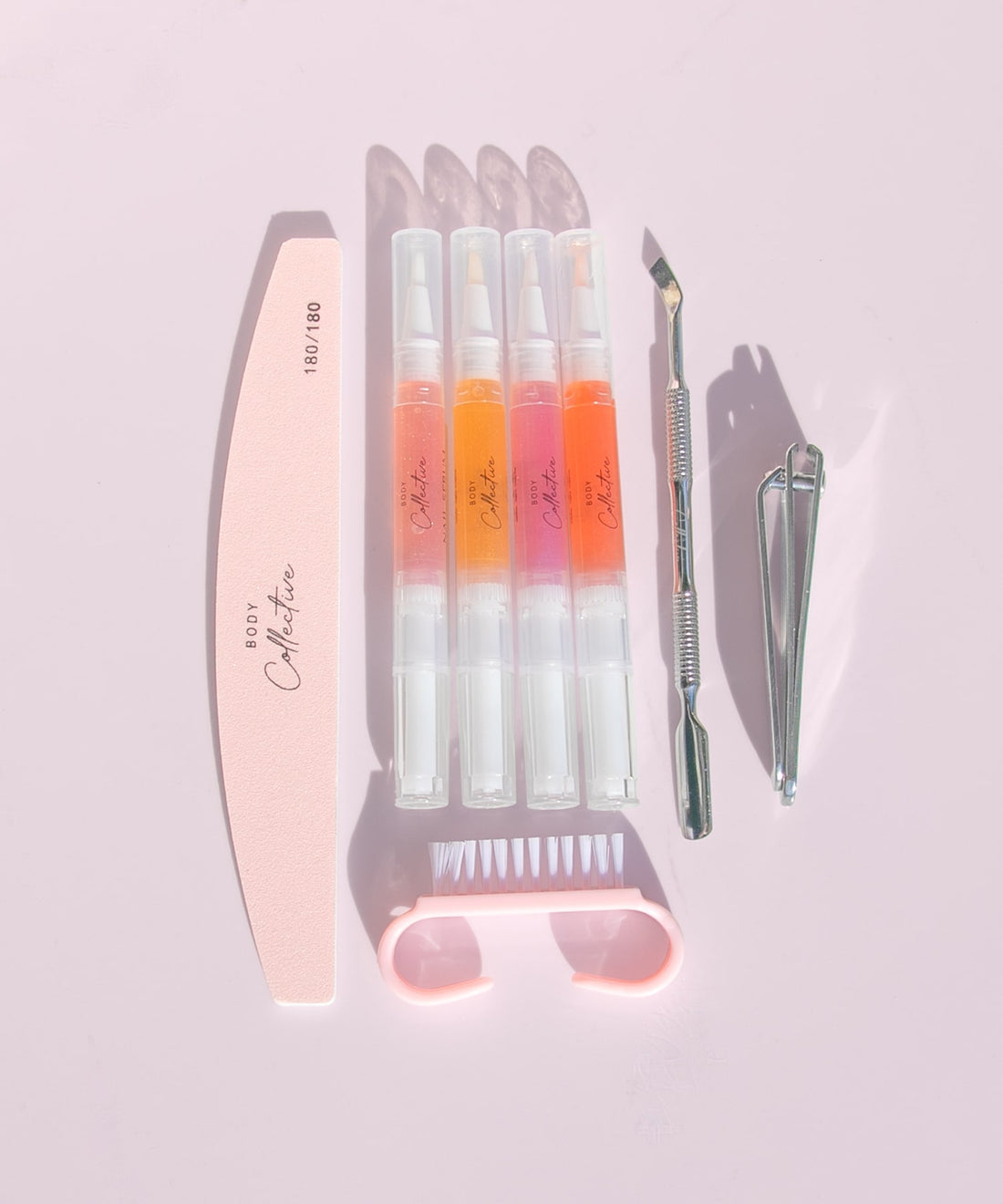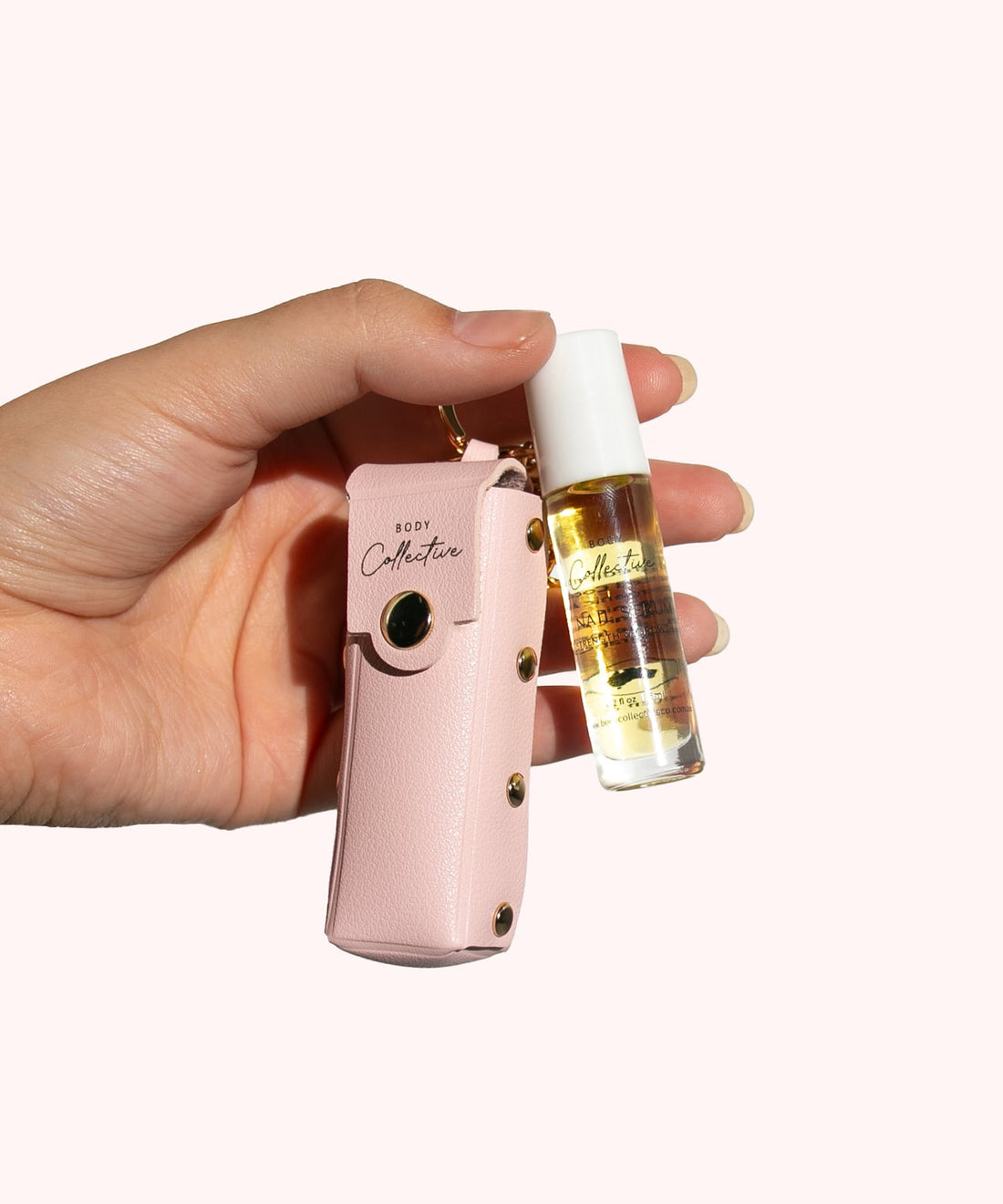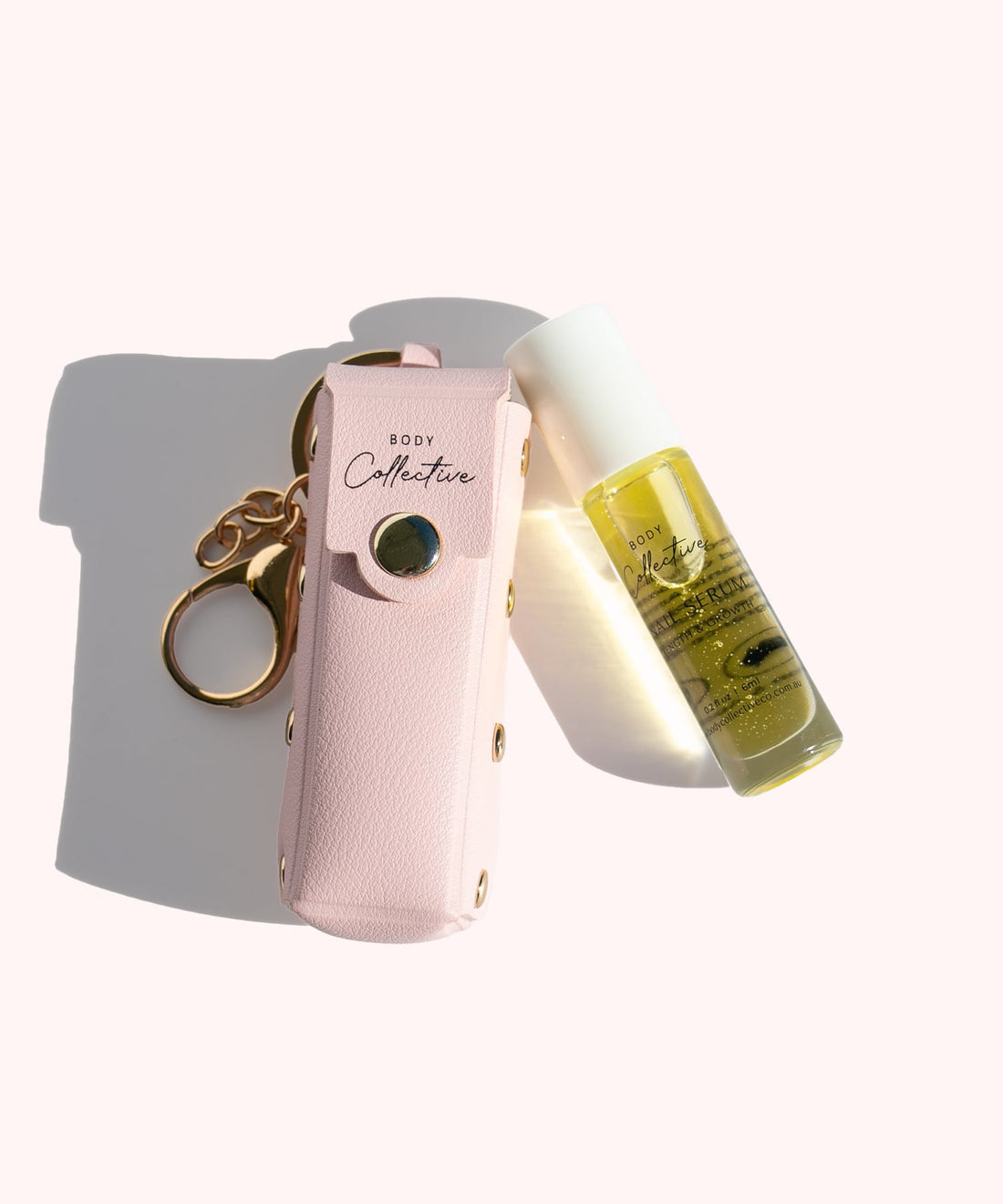


"Menopause nails" usually means the same few changes after 40: slower growth, more ridges, more dryness and more splitting. They are common, and a daily oil routine, gentler filing and gloves help with a lot of it. I cannot tell you what is behind the change for you. If it was sudden, or you also feel unusually tired, mention it to your GP.
- Slower growth, ridges, dryness and splitting are common after 40.
- I cannot tell you what is behind the change for you, and a nail cannot tell either.
- A night time oil, a glass file used gently and gloves for wet jobs help with a lot of it.
- A sudden change, or one that comes with tiredness or changes in your hair, is one to mention to your GP.
What changes in your nails after 40?
After 40, the changes I hear about most are slower growth, more ridges, more dryness and more brittleness.
Skin and nails both tend to hold less moisture as we get older, which is why the same few things turn up together. If you have looked at your hands lately and thought "when did that happen?", you are in good company.
- Growth: a fingernail grows about 3 mm a month, and many women find theirs is slower than it used to be.
- Ridges: fine lines running from the cuticle to the tip, easier to see than before.
- Dryness: dull nails, cracked cuticles and edges that peel.
- Brittleness: nails that split, snap or flake more easily.

What are perimenopause and menopause?
Perimenopause is the run of years before periods stop, and menopause is when they have stopped for good.
Plenty of women notice changes in their skin, hair and nails around then, and some notice nothing at all. I am a nail technician, not a doctor, so I cannot tell you that menopause is the reason for your nails, and a nail cannot tell me either. Ridges, dryness and splitting turn up at any age, for plenty of reasons. What I can tell you is what nails tend to do after 40 and what helps.
Clients over 40 who come in with changed nails nearly always ask me the same thing: is it me? What I tell them is that it is common, and that there is plenty you can do.
What routine helps nails after 40?
The routine that helps is three small things: oil at night, gloves for wet jobs and a glass file used gently.

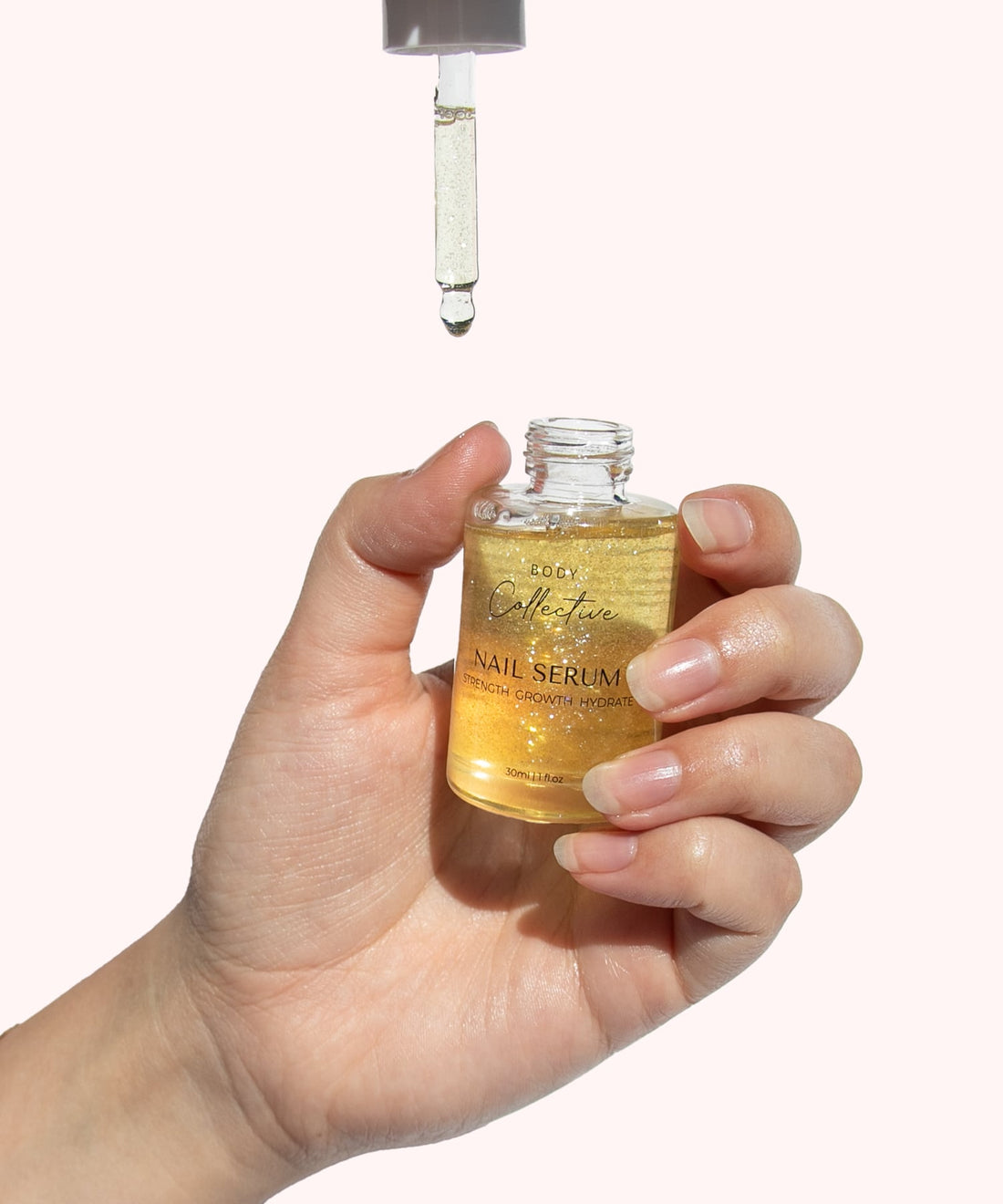
- Oil at night with the dropper. At night you are not typing, driving or washing up, so you can take your time. Put some on each nail and cuticle and massage it in until it has gone.
- Wear gloves for wet jobs. Water and detergent dry nails out, and nails that hold less moisture to begin with feel it sooner.
- File gently with a glass file. One direction, from the outer edge towards the middle, on dry nails. Sawing back and forth splits layers that are already dry.
- Make it a nightly habit. Tie it to something you already do, like brushing your teeth, so it sticks.
While your nails are recovering from damage, I'd oil twice a day, morning and night.
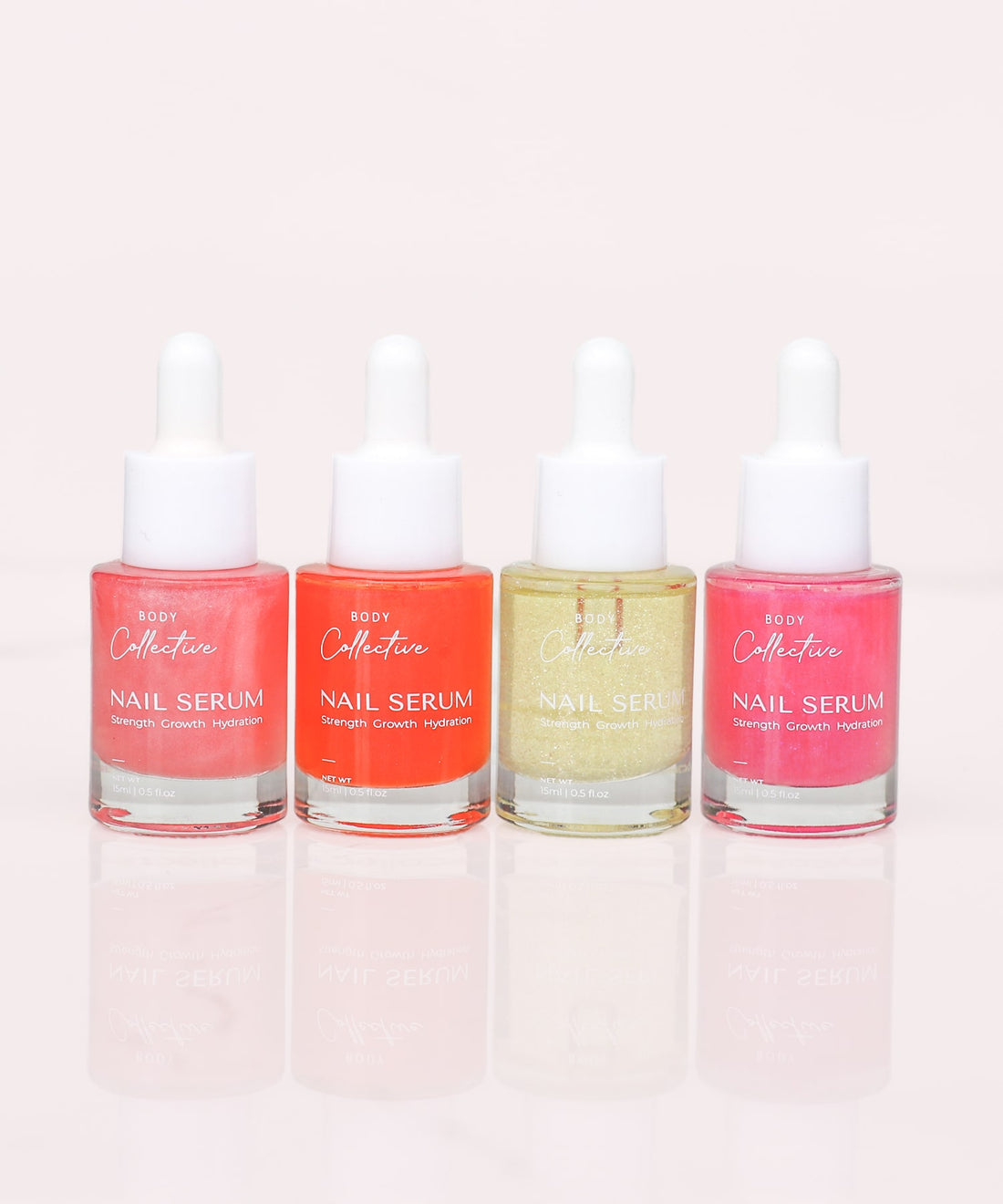
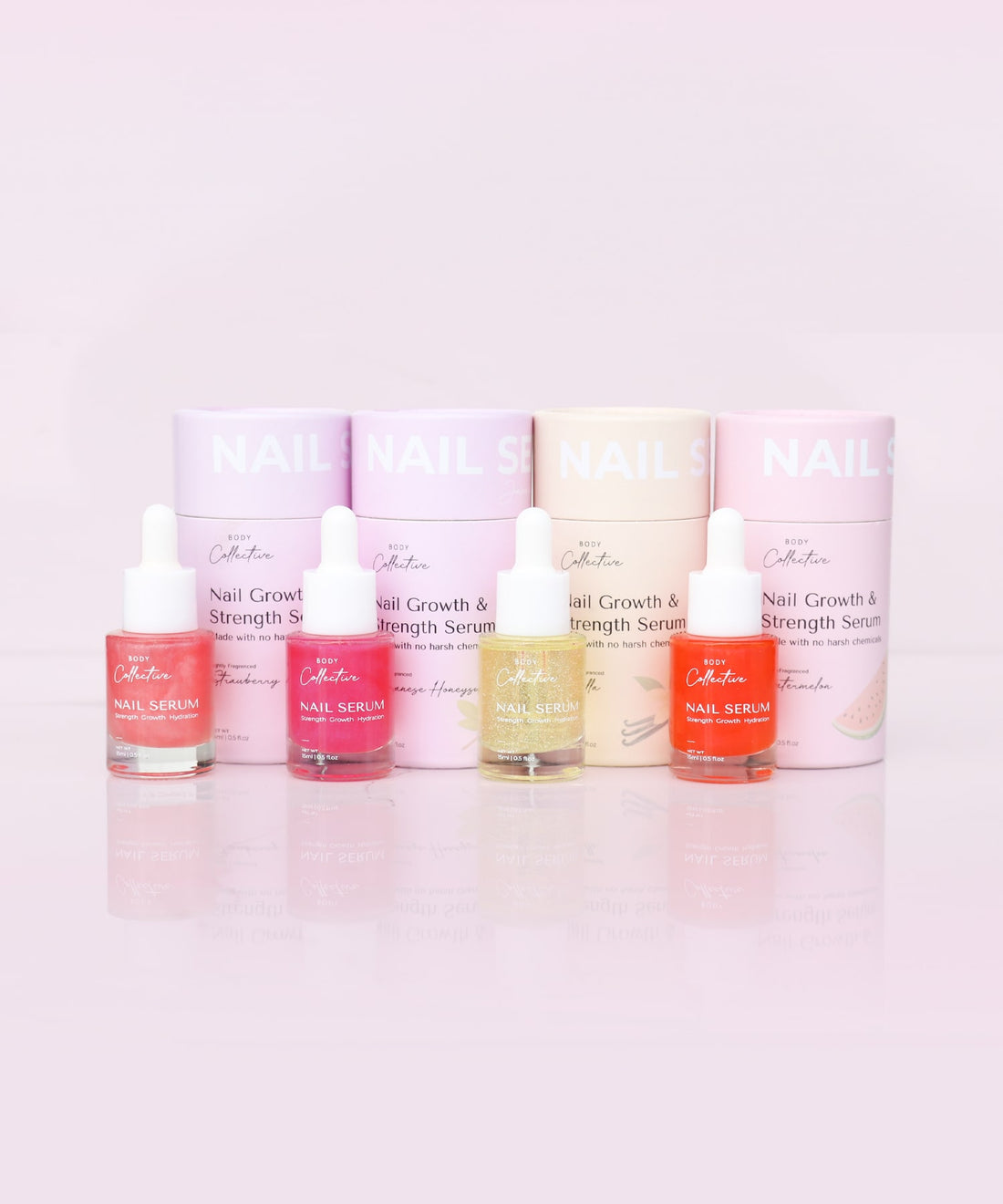
I used my serum on my own clients for years before I offered it to anyone else. For a night routine, the 15 ml dropper suits, because a bottle with a dropper makes it easy to take your time.
- Within days
- Most people notice softer cuticles.
- One to two weeks
- Most people notice visible growth. Results vary.
- Two to three months
- The nail you can see was made two to three months ago, so give the routine this long before you judge it.
- Four to six months
- A full new fingernail has grown through.
What about ridges and brittleness?
Fine lines that run from the cuticle to the tip are common and tend to show more with age, and oil helps smooth the look of them.
Splitting and snapping are a different job with their own causes, and brittle nails: what is going on, and what actually helps covers them. For the ridges themselves, including the kind that run across the nail, see ridges in your nails: what the vertical and horizontal lines mean. A ridge or dent that runs across the nail, or any change that came on suddenly, is one to show your GP.
What should you ask your GP about?
Ask your GP if your nails changed suddenly, or if the change comes with tiredness, changes in your hair or anything else that does not feel right.
They can decide whether checks for things like iron or thyroid make sense, which is their call and not mine. I'll be straight with you: I cannot tell from a nail what is going on inside you, and a good nail technician will not pretend to. It helps to take a photo of your nails now and another in a month or two, so you and your GP can see whether anything is changing.
If it came on suddenly, hurts, is discoloured, thickened or lifting, see a GP, dermatologist or podiatrist.
What does not help nails after 40?
Hardeners do not help a brittle nail, because a dry nail needs to bend and not to be harder.
Myth: A nail hardener fixes brittle nails after 40.
Fact: A dry nail needs to bend, not to be harder. Hydration, gentler filing and gloves are the better place to start.
Buffing ridges flat does not help either, because it thins the nail, which is the last thing a dry nail needs. Oil smooths the look of ridges, so leave the surface alone.
Supplements are a question for your GP, ideally with a test behind it. I do not give supplement advice, and I would be wary of anyone who does without knowing your results.


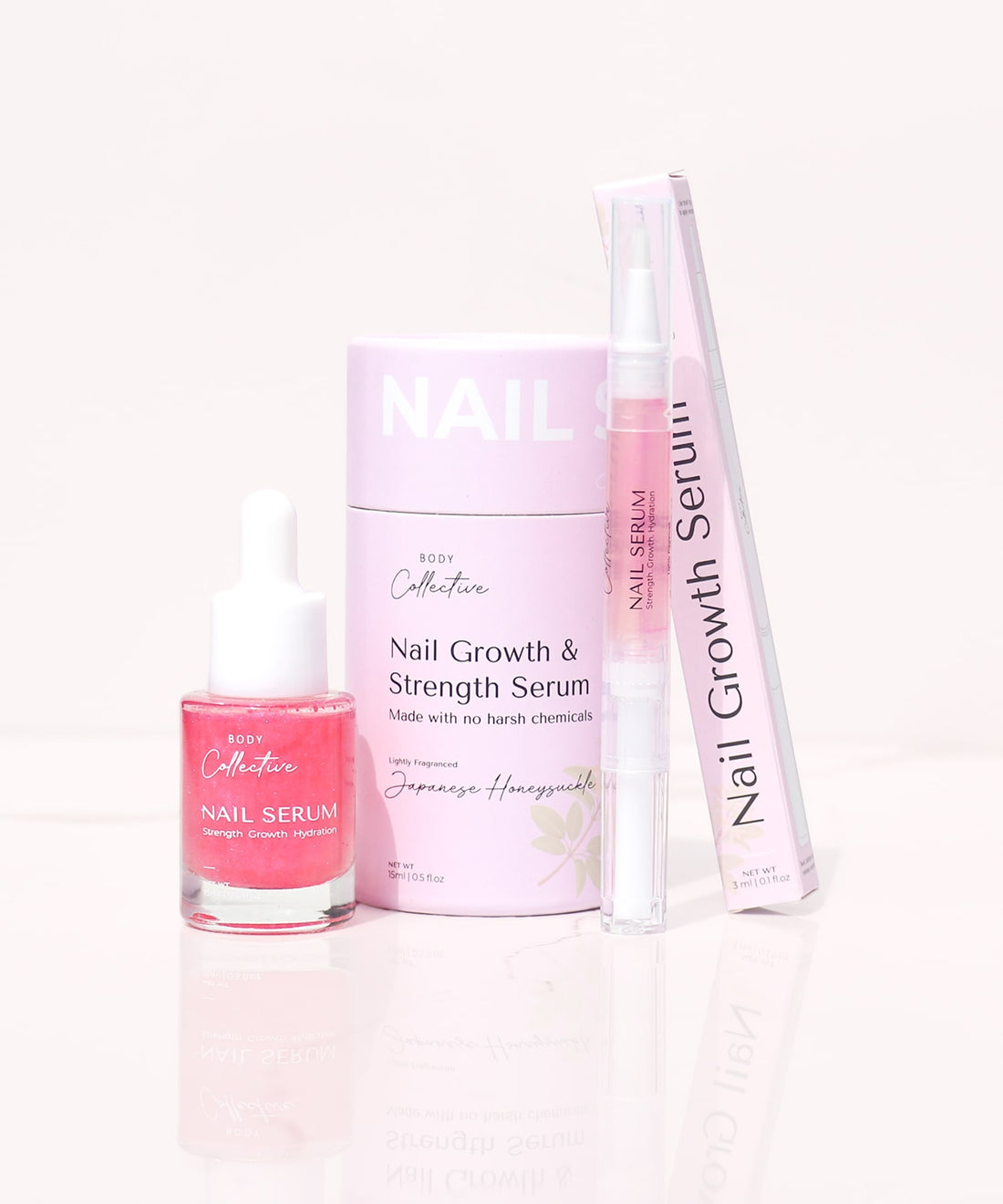
Nail Growth & Strength Serum | 15ml Dropper
A$24.50A$34.95
A 15 ml bottle with a dropper, so a night routine is easy to take your time over.
Add to cartSweet almond oil is a nut derived oil; people with nut allergies should talk to their doctor first.
Questions people ask
Does menopause affect your nails?
Many women notice their nails change around perimenopause and menopause, with more dryness, ridges, splitting and slower growth. I cannot tell you that menopause is the cause in your case, and a nail cannot tell either. A daily oil routine, gentler filing and gloves help with a lot of it. Mention sudden changes to your GP.
Why are my nails brittle since turning 45?
Nails tend to hold less moisture as we get older, so they dry out, split and peel more easily, and water, detergent and rough filing add to it. Oil daily, wear gloves and use a glass file in one direction. If the change was sudden, or you are tired or your hair has changed, ask your GP.
What helps nails after 40?
What helps nails after 40 is a daily oil on the nails and cuticles, a glass file used in one direction, and gloves for wet jobs. At night, give your hands a little extra time with the dropper. Most people notice softer cuticles within days and visible growth within one to two weeks. Results vary.