

To stop biting your nails as an adult, take away what you bite at. Most adults bite because something on the nail asks for it: a rough edge, a flake of dry cuticle, a loose hangnail. What worked for my clients was short, smooth nails, cuticles oiled every day, a file and a pen within reach, and one nail protected at a time. Bitter polish alone rarely lasts.
- Most biting starts with something rough on the nail. Remove it and there is less to bite.
- Short, smooth nails, filed every second day, and cuticles oiled every day.
- Keep a file and a pen within reach, and protect one nail at a time.
- Give it four weeks before you judge. Bitter polish alone rarely lasts.
Why do adults bite their nails?
Adults bite for reasons that have little to do with willpower: boredom, stress, concentration, a long drive, and very often something rough on the nail that asks to be bitten.
It's a habit, and habits run on autopilot. Boredom and stress aren't character flaws, and neither is a habit that started when you were small. If you've been biting for years, you're not weak, and you're definitely not on your own. That's why trying not to bite so rarely works: by the time you notice, the nail's already in your mouth. Willpower is a nice idea, and it lasts until the next red light. A better tool is to change the nail and the setting, so the habit has less to grab. That's what the rest of this guide does.

How do you remove what you bite at?
The first job is to take away everything you bite at: the rough edge, the flake of dry cuticle and the loose hangnail.
Each one is an invitation, and a smooth nail with soft skin around it is a poor one.
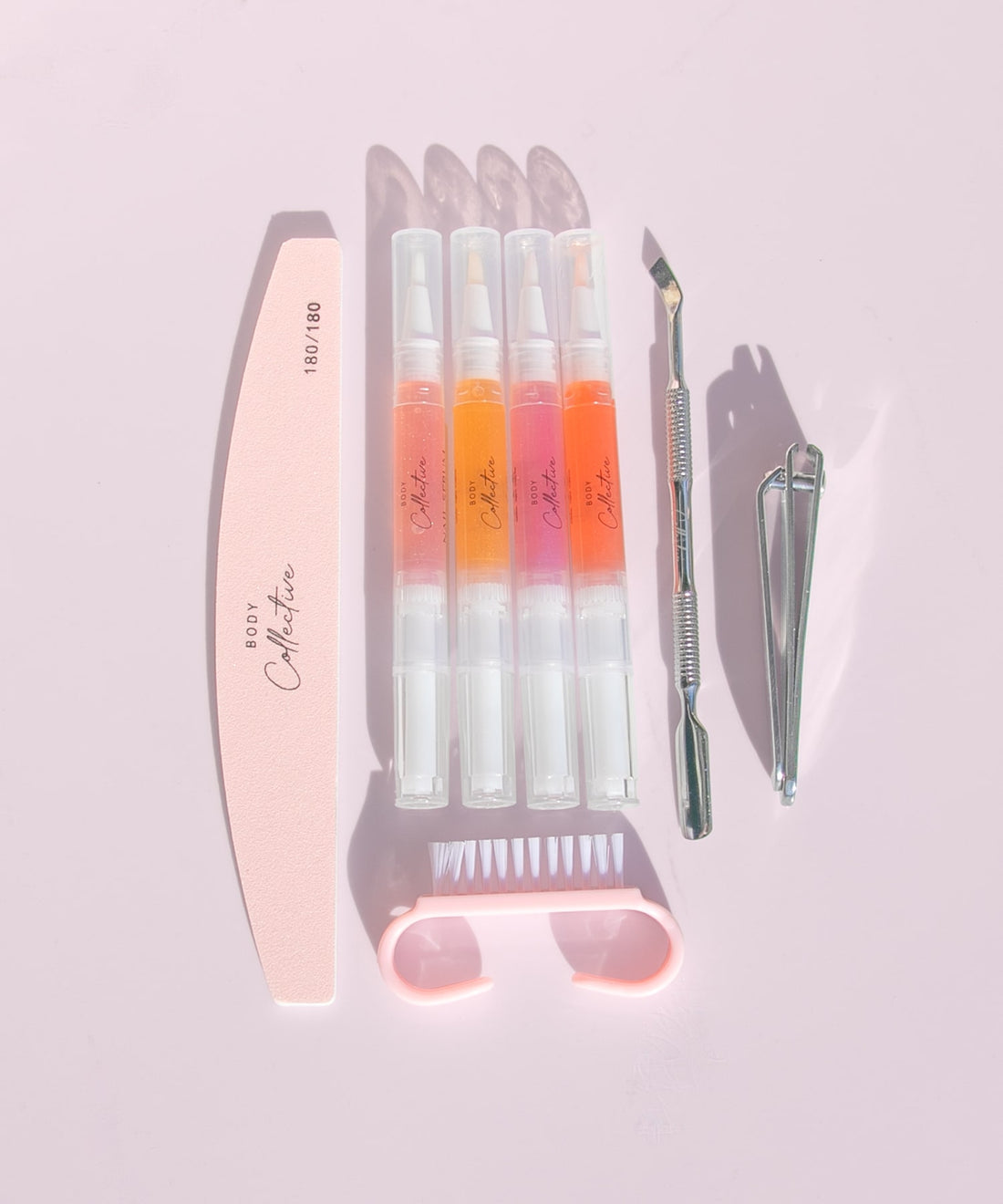
- File every second day. Use a glass file, in one direction, on dry nails. A smooth edge gives you nothing to catch, and the moment you feel a catch you file it, rather than bite it smooth.
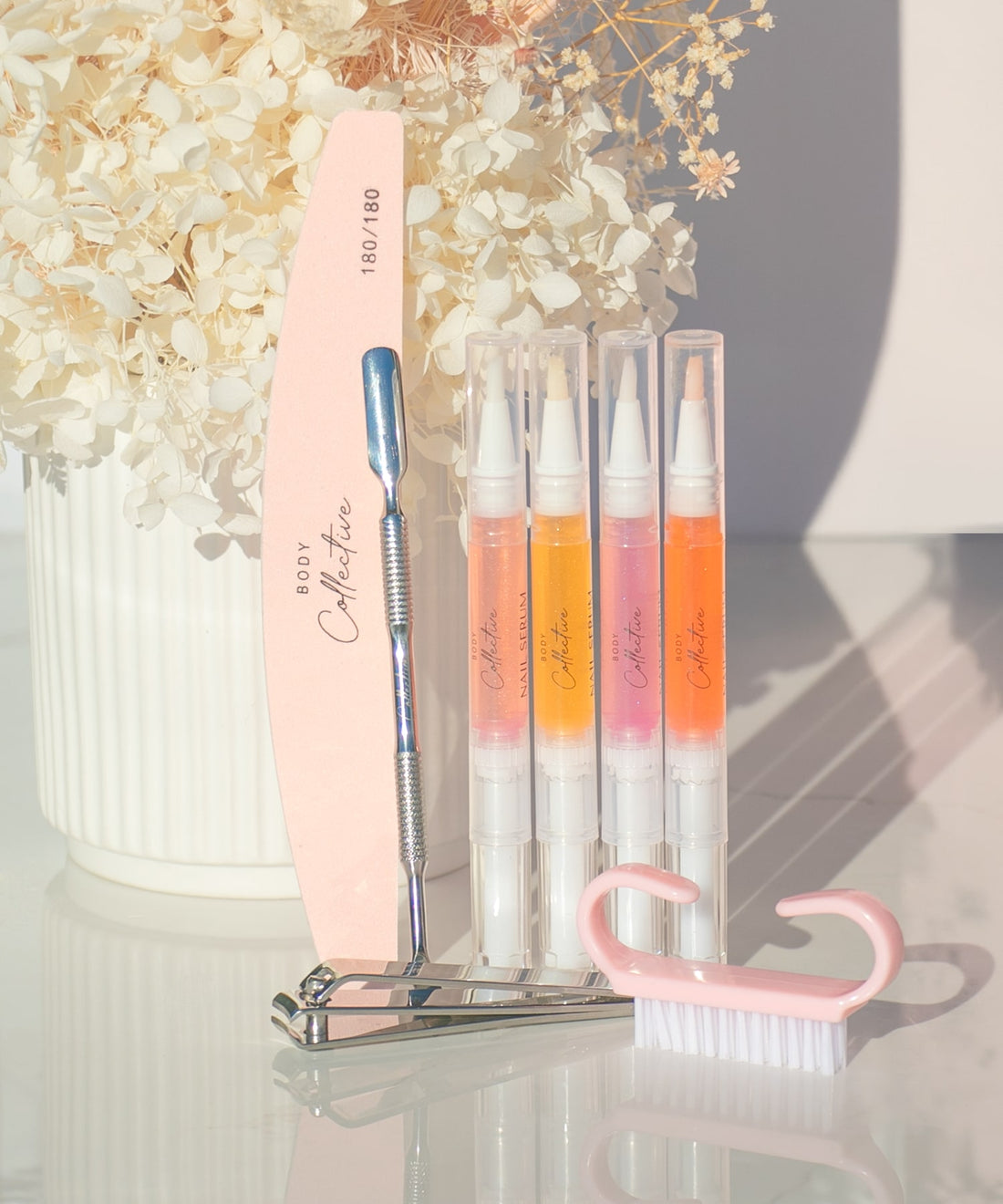
- Oil every day. One click of a pen is usually enough for ten nails. Brush it along the cuticle and over the nail, then massage it in. Soft skin doesn't flake and curl up into something to pick. While your bitten nails are recovering, I'd oil twice a day, morning and night.
- Deal with hangnails once, cleanly. Leave the cuticle alone, but a loose hangnail can be trimmed with sharp, clean clippers instead of bitten or pulled. Then oil.
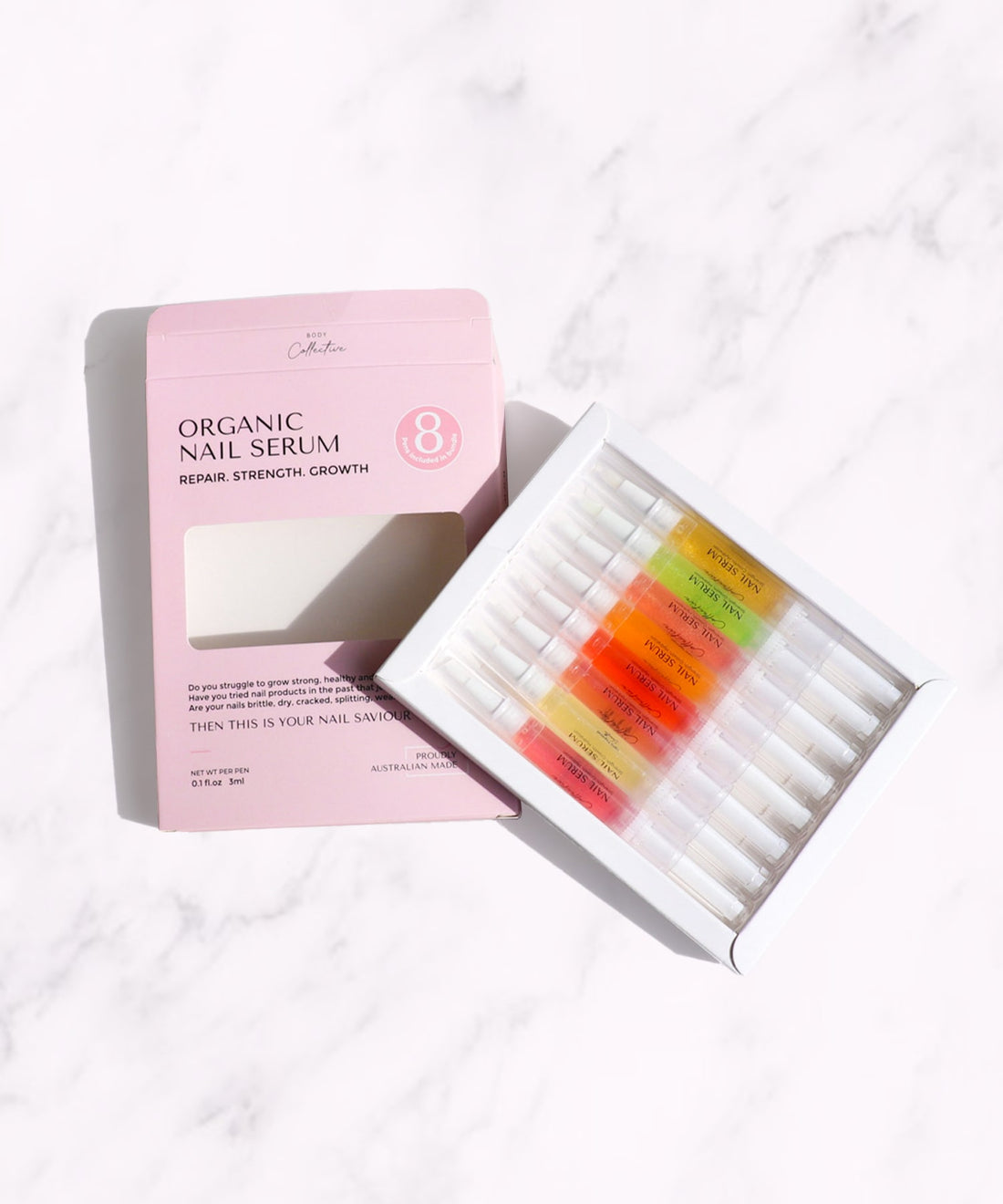
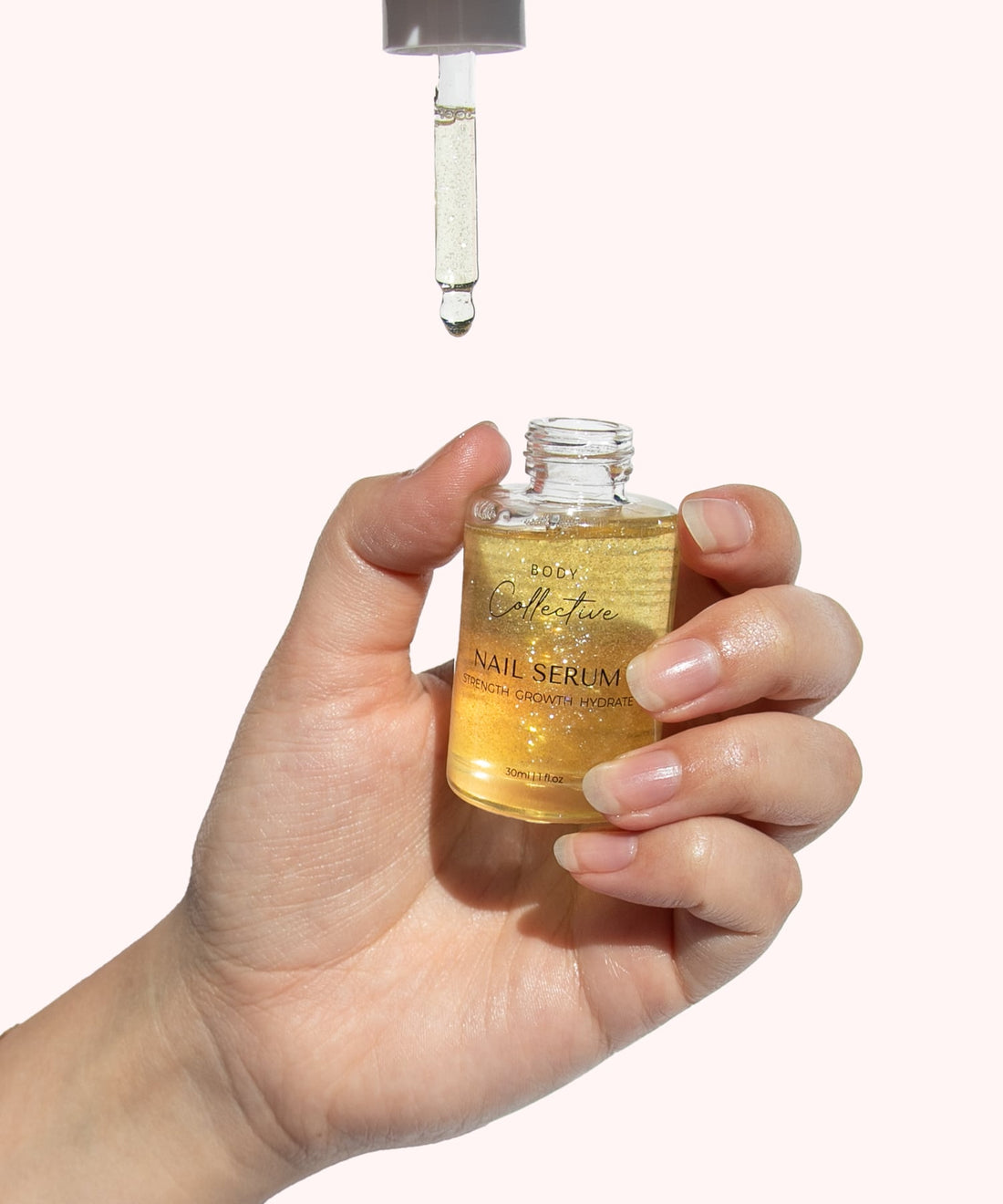
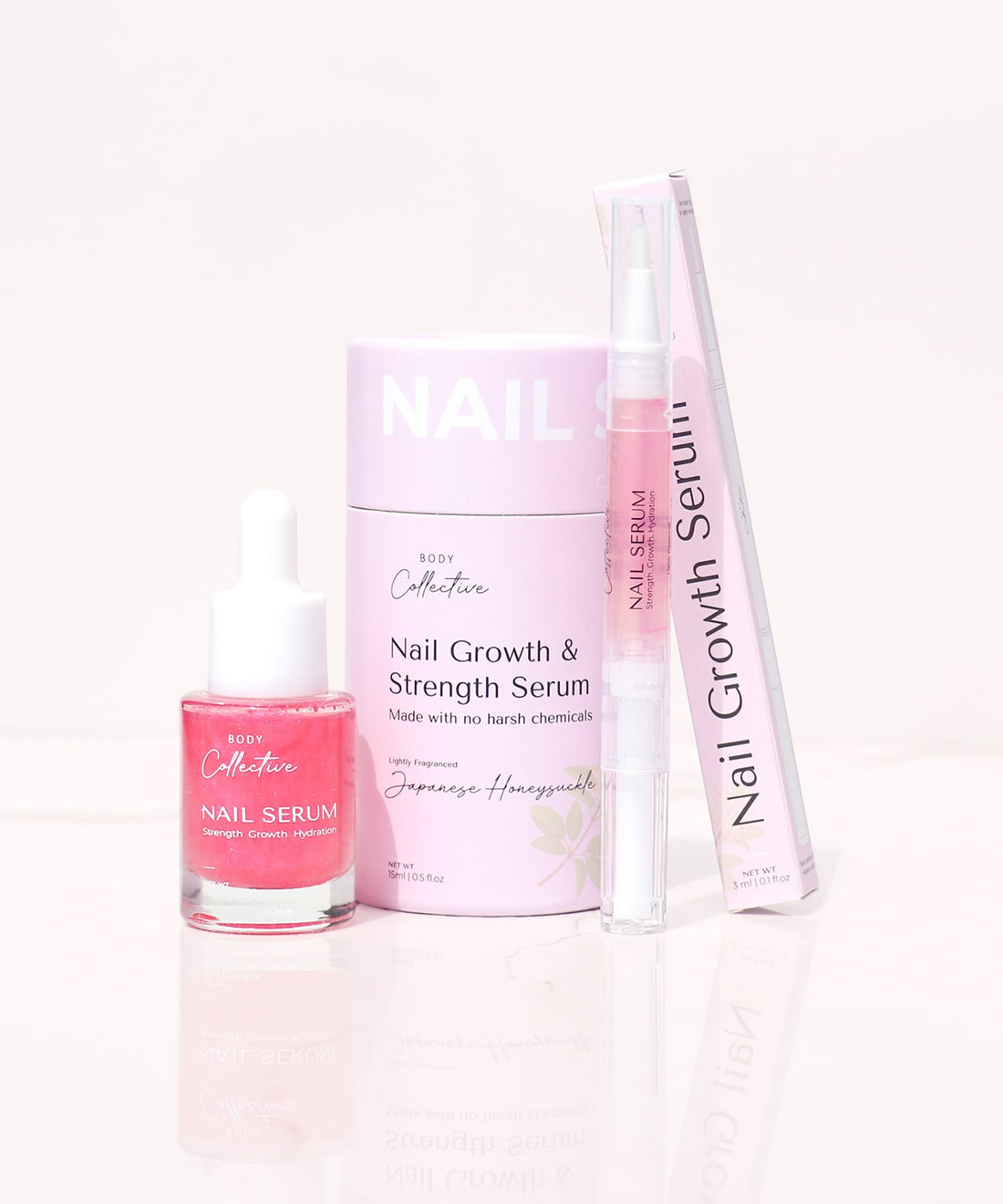
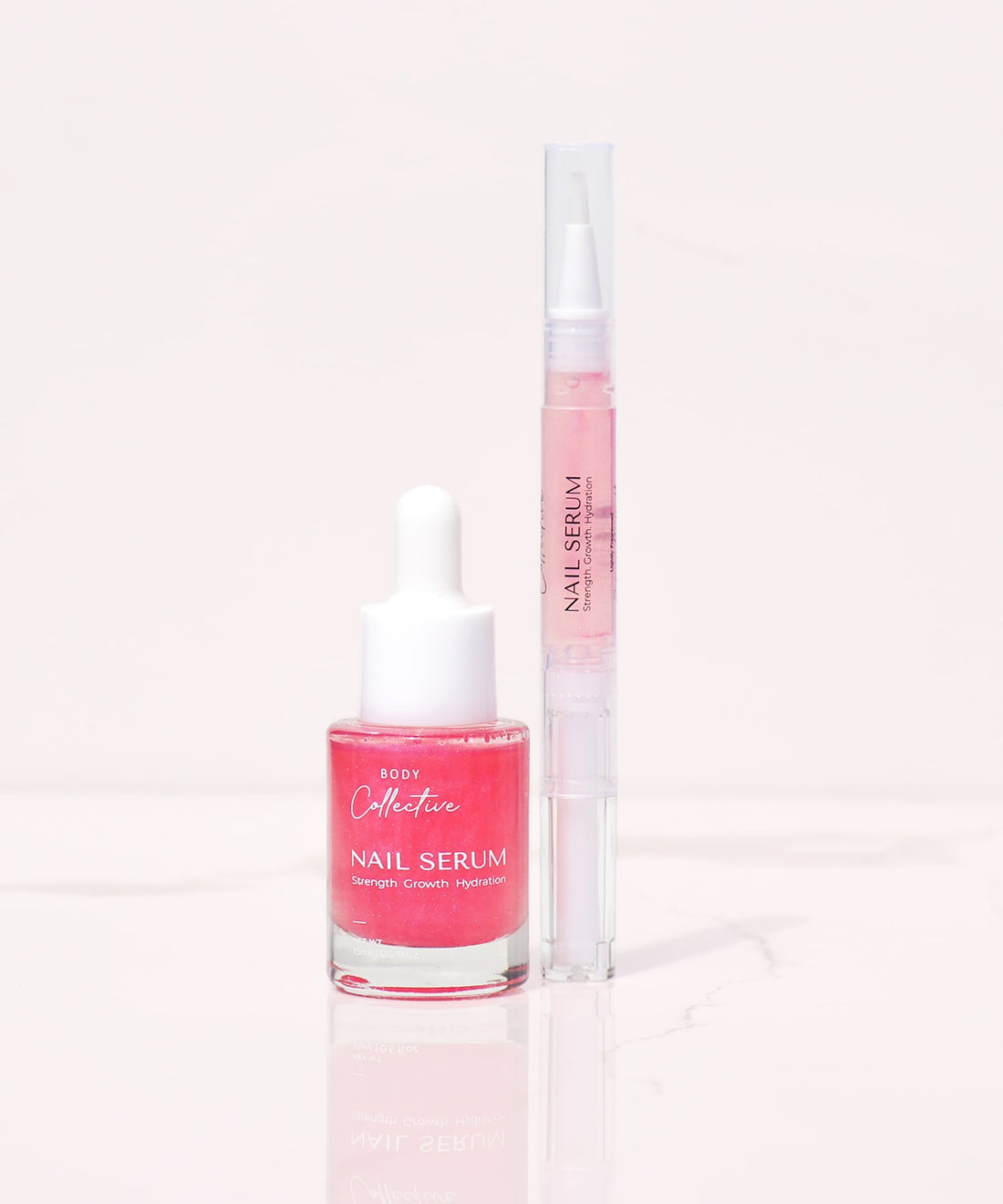
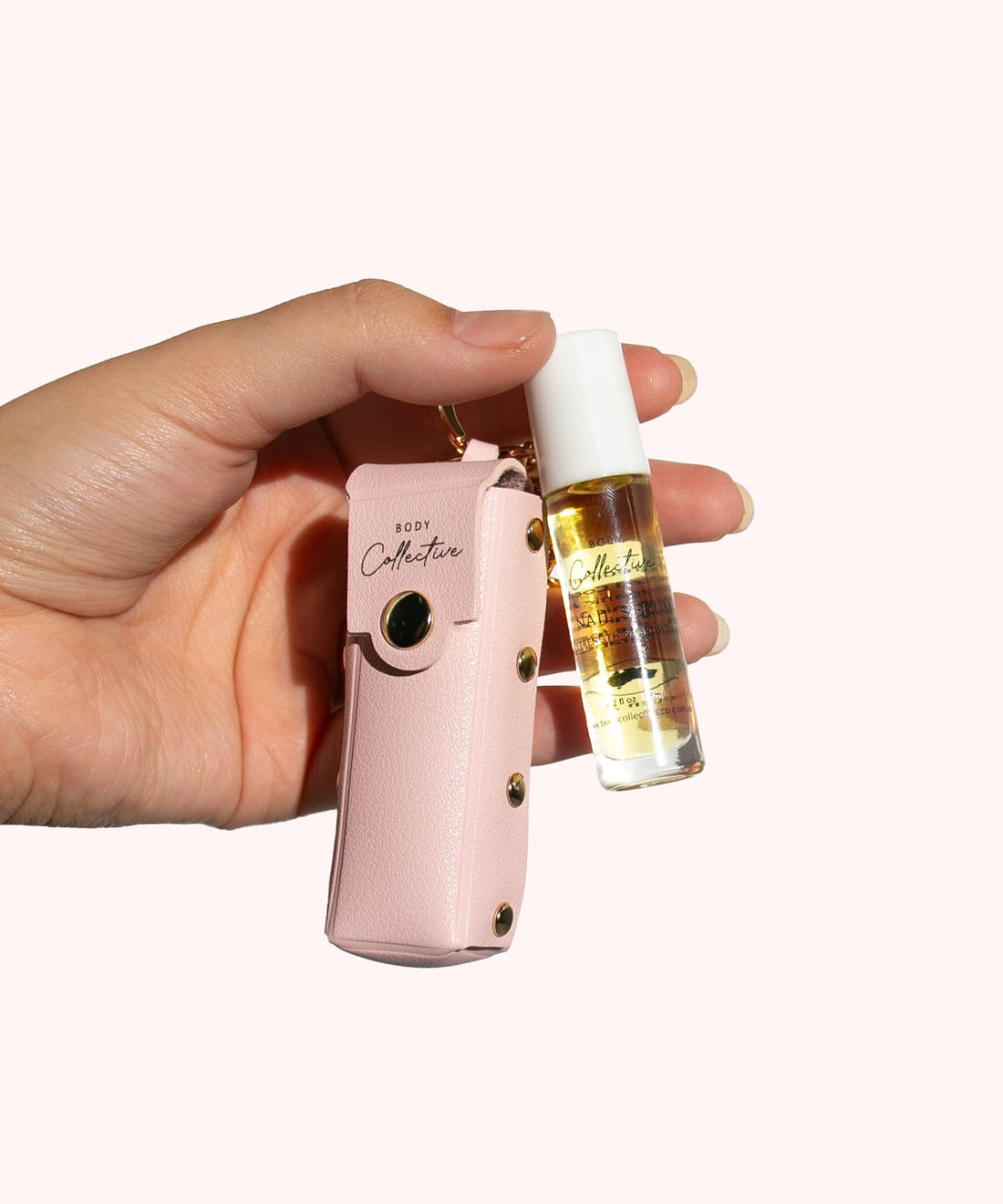
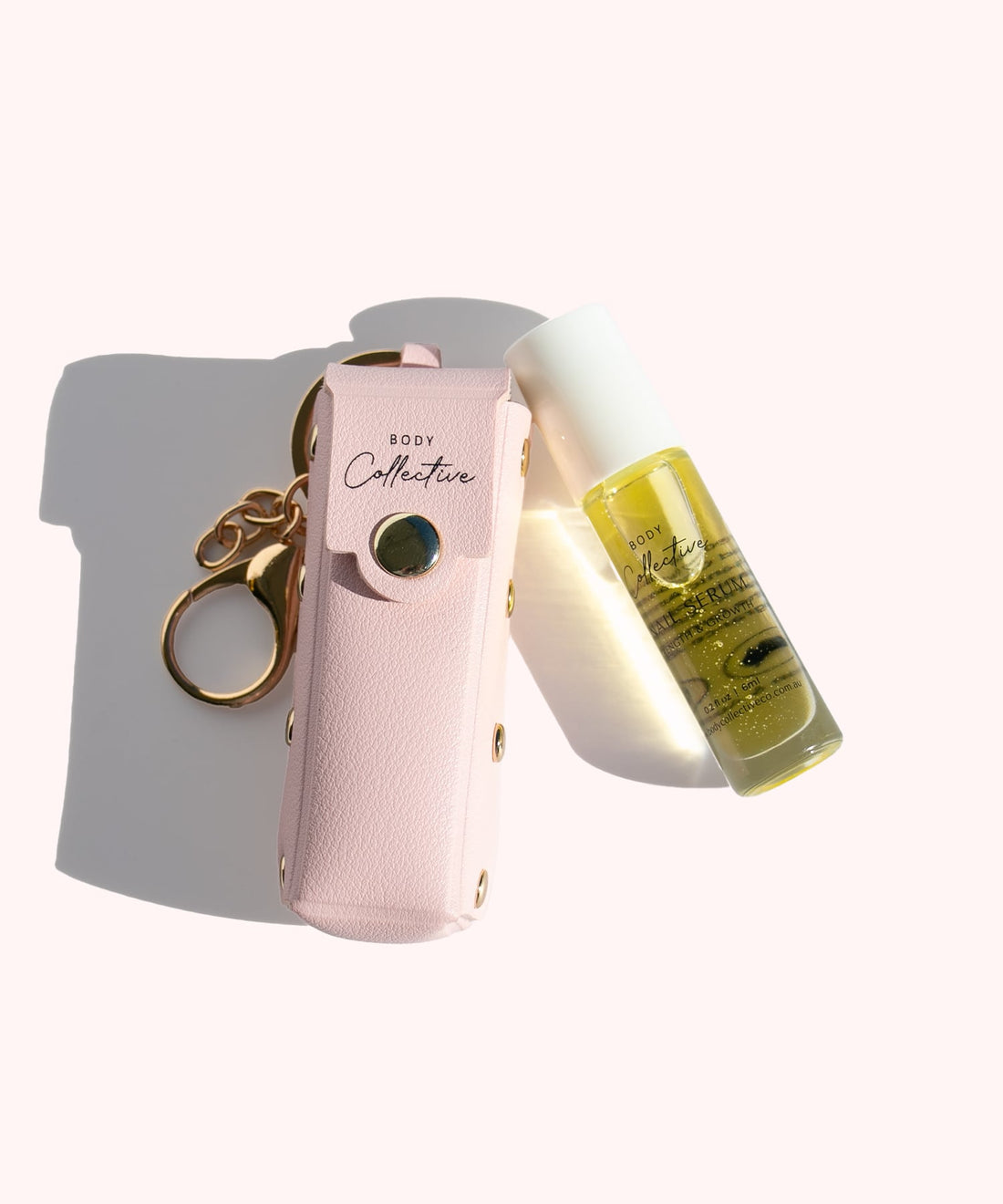
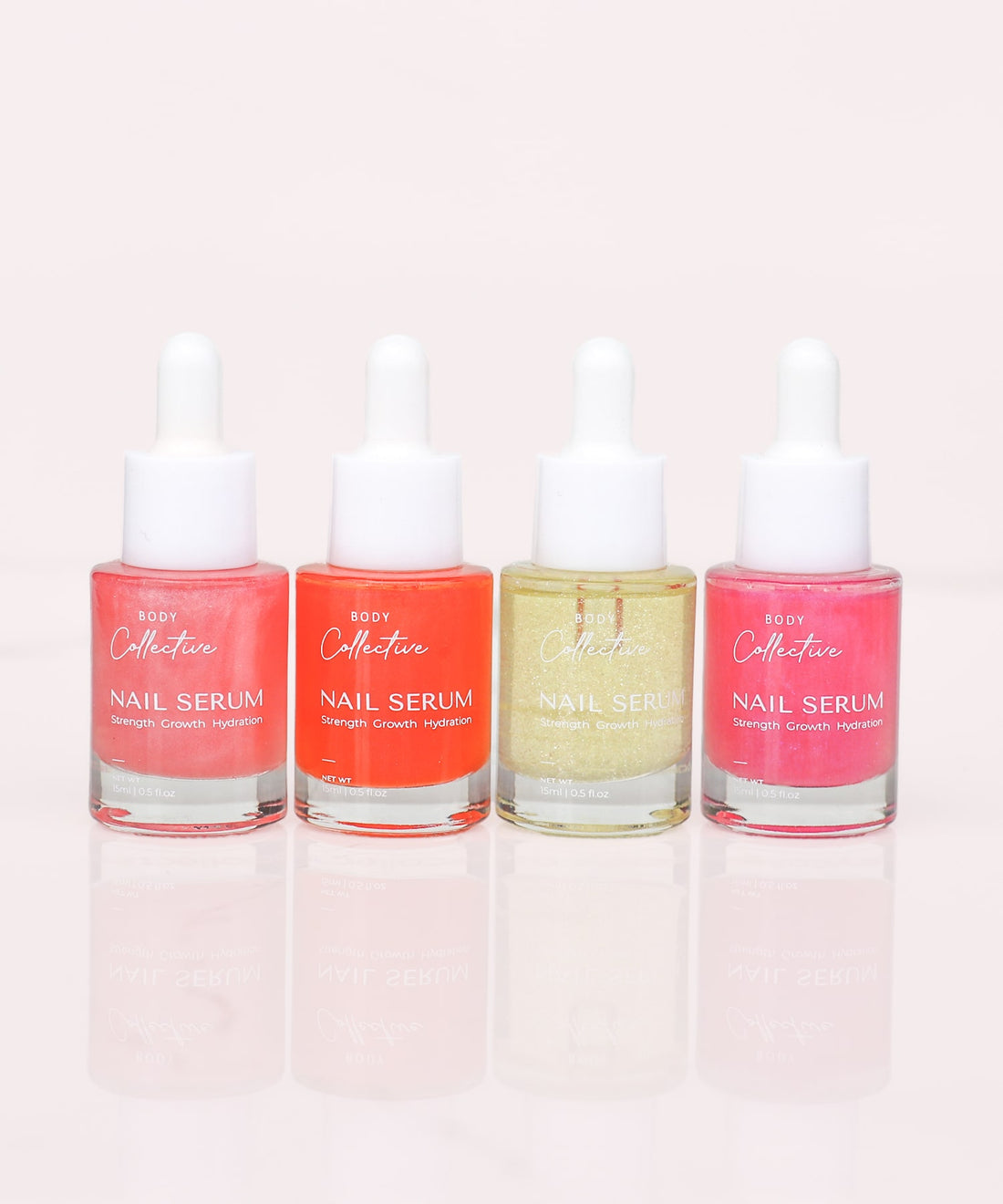
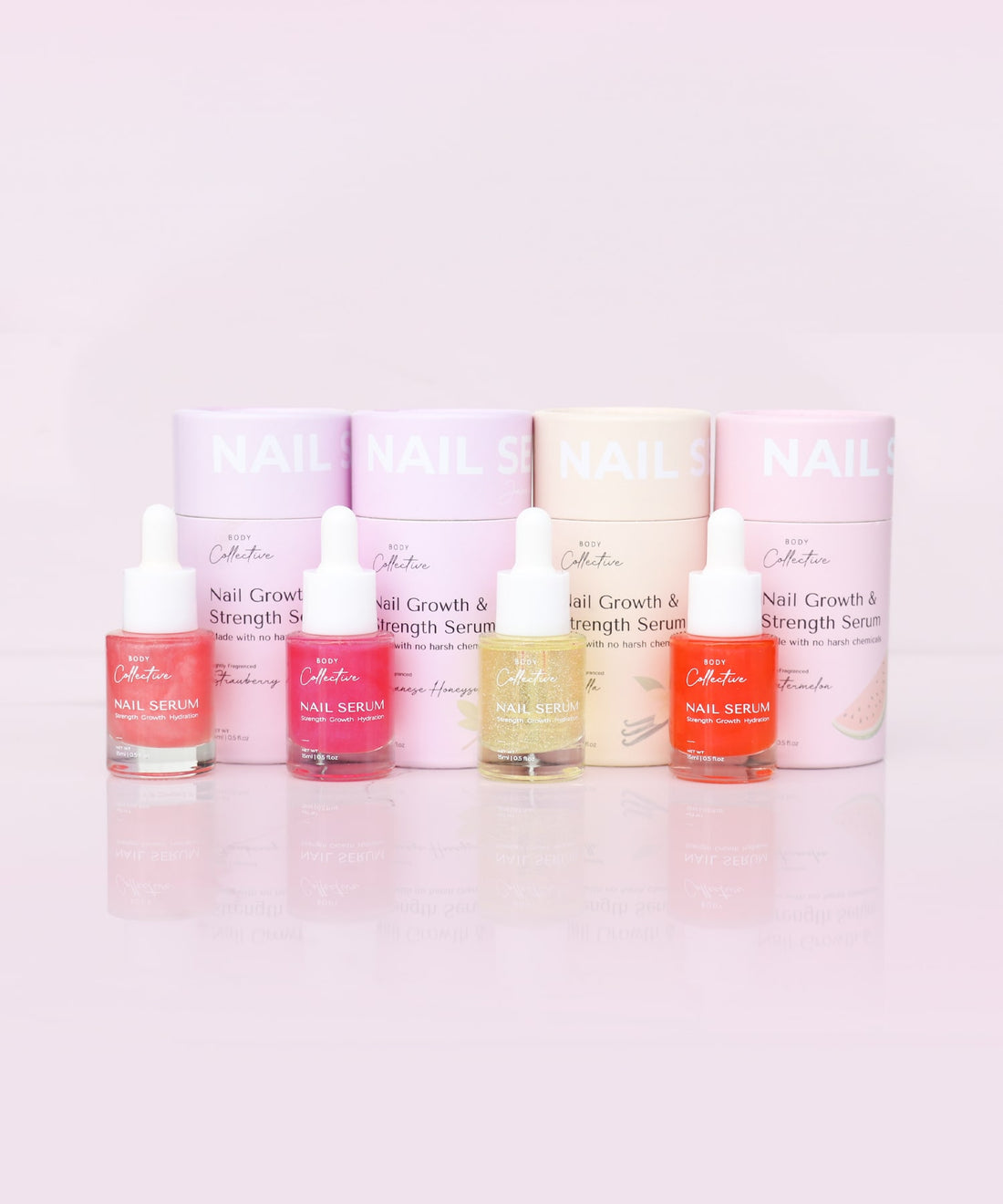
The oil I used on my own clients for years before it went on sale is the Body Collective Nail Growth and Strength Serum pen: 3 ml, A$16.95. Most people notice softer cuticles within days; results vary.

What is the one nail rule?
The one nail rule is to protect a single nail at a time, because stopping everything at once is how most attempts end by Thursday.
Choose the nail you bite least, make it off limits, and give it the full routine. When that nail has grown past the end of your fingertip and you've gone a couple of weeks without a bite, add the next. It's slow, and it works because success is visible: one good nail in your hand is better than ten nails you're trying not to think about. It's the opposite of all or nothing, and that's the point.
Where should you keep a file and a pen?
Keep a glass file and a pen wherever your hands sit idle: the car, the desk, the handbag, the couch.
A rough edge you can fix in ten seconds is a rough edge you don't bite. The aim is to make the right move easier than the wrong one, a bit like setting the room up for the version of you who's about to bite. If the file's in the glovebox and the pen's by the phone charger, the edge gets filed and the cuticle gets oiled before the habit has a chance. A pen in the bag also means a bad afternoon has an answer that isn't your teeth.
What can you do with your hands instead of biting?
Give your hands a job in the moments you usually bite.
A habit swap works because it fills the same gap, so it helps to plan one for each trigger. Pick one swap, practise it for a week, then add another.
- Driving. Keep both hands on the wheel, and keep the file in the glovebox for red lights.
- Scrolling. Hold the phone in both hands, so there's no free hand to lift to your mouth.
- Waiting or watching. Click the pen and oil your cuticles, which keeps your hands busy for about twenty seconds. A smooth stone or a hair tie to fidget with also works.
- Stressful moments. Rub oil into your cuticles and take a breath. The scent, if you chose a scented pen, helps the moment feel different.
Do
- File the moment an edge catches.
- Carry the pen and use it instead of your teeth.
- Protect one nail first, then add the next.
Don't
- Try to stop all ten nails on the same day.
- Bite a rough edge smooth.
- Shame yourself after a slip. File the edge and carry on.
Does bitter nail polish work?
Bitter polish helps as a reminder, but on its own it rarely lasts, because it does not remove the rough edge or the trigger.
You can get used to the taste, and it washes off in the shower. Used alongside short smooth nails, oiled cuticles and a plan for your hands, it can add one more nudge. As the main plan, it asks you to out-stubborn the habit, and that's the same willpower problem again. If you use one, follow the pack.
The clients who stopped were rarely the most determined. They were the ones whose nails gave them the least to bite, so the habit starved a little each day.
How long does it take to stop biting your nails?
The first grown out nail shows up in about a month, because a fingernail grows about 3 mm a month.
That's a small white edge, and it's the first nail you can keep. Give it four weeks before you judge, and be kind to yourself about a slip.
- Within days
- Most people notice softer cuticles, and fewer rough edges to bite at.
- Within one to two weeks
- Most people notice visible growth. File any edge smooth the moment it catches.
- About a month
- A few millimetres of free edge on the nail you protected. Add the next nail.
- Two to three months
- The nail you can see was made two to three months ago, so this is when the nails you started on today reach the tip. Results vary.
When should you see a GP about nail biting?
If biting makes the skin or nail bleed or hurt, or you want to stop and cannot, it is worth talking to your GP.
I'm a nail technician, not a doctor, and there's no shame in asking. If you've tried and tried and the habit keeps winning, that's not a failing, it's a good reason to ask.
If it came on suddenly, hurts, is discoloured, thickened or lifting, see a GP, dermatologist or podiatrist.

Nail Growth, Strength & Repair Serum | Easy Twist Pen
A$16.95
The pen for the bag: one click is usually enough for ten nails, and the cuticles stay soft.
Add to cartSweet almond oil is a nut derived oil; people with nut allergies should talk to their doctor first.
Questions people ask
How do I stop biting my nails naturally?
Remove what you bite at and change the habit, rather than rely on willpower. Keep nails short and smooth with a glass file, oil your cuticles every day so there are no flakes or hangnails to pick, keep a file and a pen within reach, and protect one nail at a time. Give it four weeks before you judge.
Does bitter nail polish work?
Sometimes, as a reminder, but on its own it rarely lasts. It does not remove the rough edge or the trigger, you can get used to the taste, and it washes off. It works best alongside short smooth nails, oiled cuticles and a plan for your hands. Follow the pack.
How long does it take to stop biting nails?
Give it four weeks before you judge. A fingernail grows about 3 mm a month, so within a month there is a little free edge to protect and file. Habits take longer to settle than nails do, and a slip is not a failure: file the edge, oil, and carry on. Results vary.